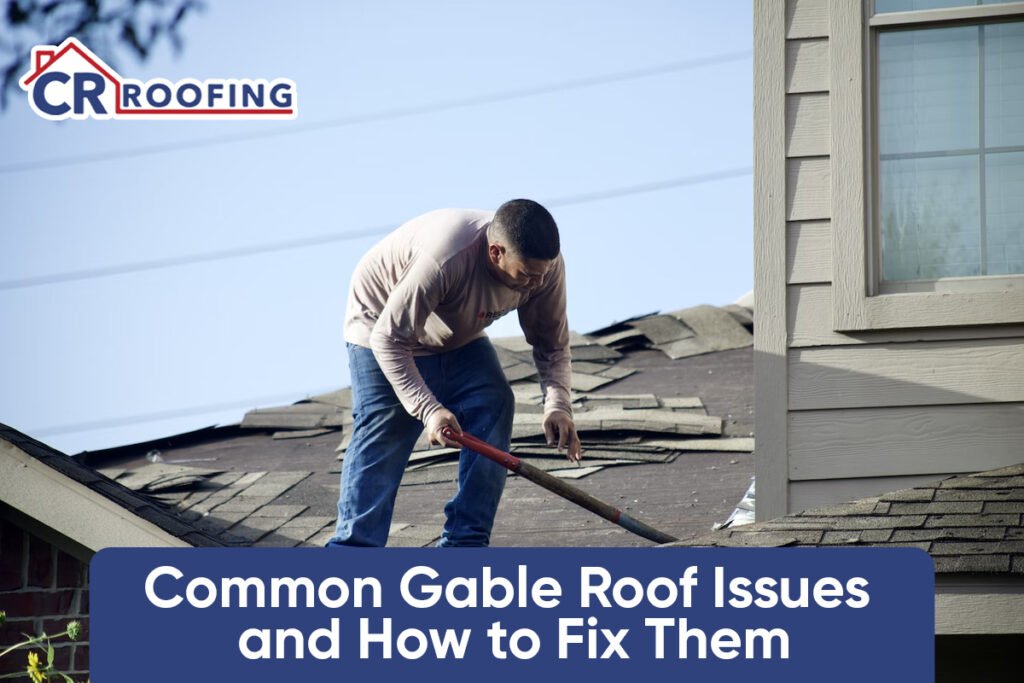
Gable roofs are among the most recognizable and popular roof designs across the United States. Their triangular shape, simple construction, and excellent drainage make them a homeowner favorite. But like any roofing style, gable roofs aren’t immune to problems. From leaks and ventilation issues to structural damage, ignoring small concerns can lead to costly repairs down the road.
At C&R Roofing, we specialize in identifying and repairing gable roof issues before they turn into major headaches. In this blog, we’ll walk you through the most common gable roof problems and how you can fix or prevent them with the right maintenance strategies.
1. Gable Roof Leak Issues
Leaks are one of the most reported gable roof issues. They often occur near joints, valleys, or areas where flashing has failed. Even a small leak can cause water stains, mold growth, and damage to insulation.
How to Fix It:
- Inspect flashing around chimneys, vents, and skylights.
- Replace damaged shingles promptly.
- Seal gaps with roofing caulk or replace flashing where necessary.
- Keep gutters clear to ensure proper drainage.
For persistent leaks, it’s best to call a roofing professional to conduct a full inspection and repair.
2. Structural Problems with Gable Roofs
Because of their steep pitch and open ends, gable roofs can be vulnerable to wind damage. High winds may cause uplift, which puts stress on the structure and can even lead to partial collapse in severe storms.
How to Fix It:
- Reinforce the roof frame with strong braces or hurricane clips.
- Use high-quality, wind-resistant shingles.
- Schedule professional inspections after heavy storms.
Addressing structural problems with gable roofs early can save you from major repairs later.
3. Gable Roof Ventilation Issues
Proper airflow is essential to extend the life of your roof. Poor ventilation traps heat and moisture inside the attic, leading to shingle damage, mold, and higher energy bills.
How to Fix It:
- Install or clear soffit vents and ridge vents.
- Ensure attic insulation isn’t blocking airflow.
- Add attic fans if natural ventilation is insufficient.
Good airflow prevents moisture buildup and protects your shingles from premature aging.
4. Gable Roof Shingle Damage
Shingles are your roof’s first line of defense. Over time, they may crack, curl, or fall off due to aging or exposure to harsh weather. Missing shingles expose underlayment and wood decking to the elements, causing bigger issues.
How to Fix It:
- Replace damaged or missing shingles immediately.
- Use high-quality shingles rated for your local climate.
- Schedule annual roof inspections to catch problems early.
Neglecting gable roof shingle damage can shorten your roof’s lifespan dramatically.
5. Weather Damage on Gable Roofs
From heavy snow and ice to strong winds and hail, weather is a leading cause of roofing problems. Gable roofs, in particular, may face uplift in windy conditions or ice dams in colder climates.
How to Fix It:
- Remove snow buildup promptly to prevent excess weight.
- Check for hail dents or cracks after storms.
- Use ice and water shield membranes in colder regions.
- Reinforce the roof structure in hurricane-prone areas.
Preventive care and quick repairs can minimize weather damage on gable roofs.
6. Gable Roof Flashing Problems
Flashing is the thin metal installed around chimneys, vents, and valleys to prevent water penetration. Over time, flashing can loosen, rust, or crack, leading to leaks.
How to Fix It:
- Inspect flashing during every roof inspection.
- Re-seal or replace flashing when it begins to fail.
- Use high-quality, corrosion-resistant materials for long-term protection.
Fixing gable roof flashing problems early is crucial to keeping your home dry and secure.
7. Water Pooling on Gable Roofs
Although gable roofs are designed to shed water efficiently, improper installation or sagging sections may cause pooling in certain areas. Standing water weakens shingles and increases the risk of leaks.
How to Fix It:
- Ensure proper slope and drainage during installation.
- Repair sagging areas of the roof promptly.
- Keep gutters and downspouts clear to avoid water backup.
If you notice pooling, contact a roofing professional immediately to address the underlying cause.
8. Poor Maintenance and Neglect
Perhaps the biggest contributor to roof problems is lack of maintenance. Ignoring inspections, delaying repairs, and failing to clean gutters all make existing issues worse.
How to Fix It:
- Schedule inspections twice a year (spring and fall).
- Repair small issues before they become big problems.
- Hire professional roofers like C&R Roofing for detailed care and long-term solutions.
Consistent upkeep is the best way to prevent gable roof issues from turning into major expenses.
Final Thoughts
Gable roofs are durable and attractive, but they’re not maintenance-free. From leaks and shingle damage to flashing problems and ventilation issues, small problems can quickly escalate if left unchecked. By staying proactive with inspections, repairs, and preventive care, you can extend the life of your roof and protect your home from costly damage.
At C&R Roofing, we provide expert inspections, repairs, and replacements to keep your gable roof in excellent condition year-round. Whether you’re dealing with leaks, storm damage, or structural concerns, our team is here to help.
Read More: Essential Gable Roof Maintenance Tips
FAQs
Q1: What are the most common gable roof issues?
Leaks, shingle damage, ventilation problems, and flashing failures are among the most common problems.
Q2: How often should I have my gable roof inspected?
At least twice a year, plus after major storms.
Q3: Can gable roofs handle high winds?
Yes, but they are more vulnerable than other designs. Reinforcements and quality materials improve durability.
Q4: What causes gable roof leaks?
Leaks often come from damaged shingles, poor flashing, or clogged gutters.
Q5: Can I fix gable roof issues myself?
Minor repairs like replacing shingles may be DIY-friendly, but major issues should be handled by professionals.