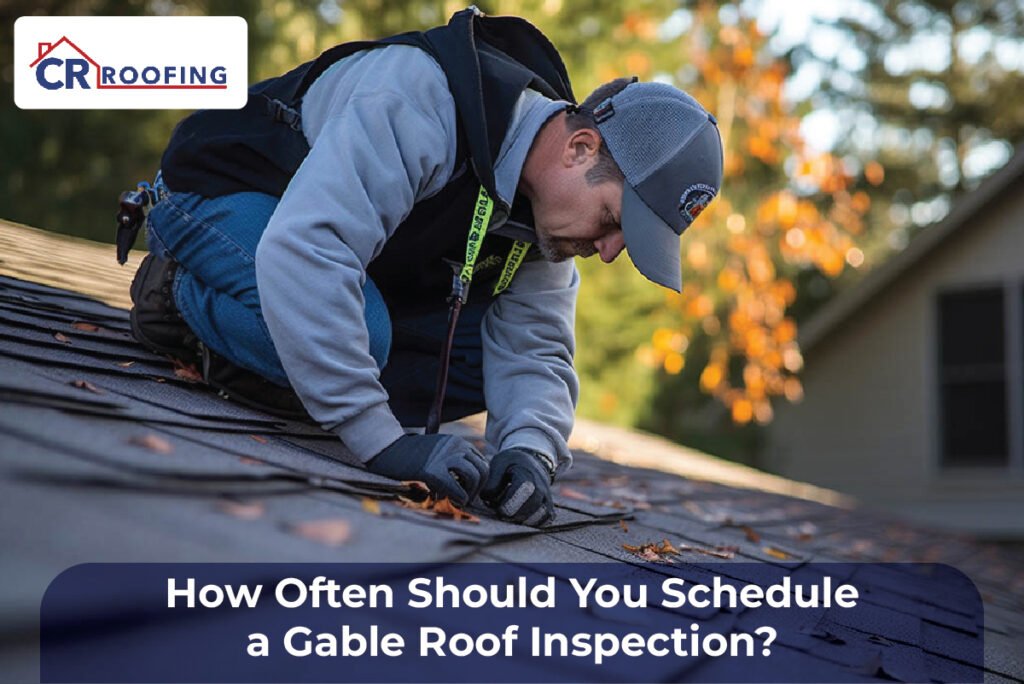
You should schedule a gable roof inspection at least twice a year, ideally in spring and fall, and also after any severe weather events. Older roofs or roofs with previous issues may need more frequent professional inspections. Regular checkups help detect leaks, structural problems, and damage early, ensuring the roof remains safe, durable, and efficient.
Introduction:
Your home’s roof is its first line of defense against the elements, and a gable roof inspection is essential to ensure that it remains strong, safe, and leak-free. At C&R Roofing, we emphasize the importance of regular roof checkups to prevent minor issues from turning into costly repairs. In this guide, we’ll explore how often you should schedule a gable roof inspection, the key elements to check, and why professional assessments are crucial.
Understanding Gable Roof Inspection
A gable roof inspection involves a thorough evaluation of your roof’s structure, materials, and overall condition. Unlike a casual glance from the ground, this process includes a detailed gable roof condition assessment, identifying areas of wear, damage, or potential leaks.
Modern gable roofs, whether residential or commercial, require periodic checkups to maintain their efficiency. Regular inspections help you:
- Detect early signs of roof damage inspection
- Ensure proper functioning of gutters and drainage
- Prevent leaks that could damage interior walls or ceilings
- Maintain the aesthetic and structural integrity of your home
How Often Should You Inspect Your Gable Roof?
The frequency of a gable roof checkup depends on several factors, including the roof’s age, material, local climate, and previous maintenance. Here’s a general guideline:
1. Twice a Year is Ideal
Most roofing experts, including C&R Roofing, recommend inspecting your gable roof at least twice a year—once in spring and once in fall. This timing allows you to check for winter or storm damage and prepare for seasonal weather changes.
2. After Severe Weather Events
High winds, heavy rain, hail, or snow can compromise the structural integrity of your roof. Scheduling a roof damage inspection immediately after such events can help prevent long-term issues.
3. Older Roofs Require More Frequent Checks
If your roof is more than 15–20 years old, it’s wise to conduct a professional gable roof inspection every 6 months or even quarterly. Aging materials are more prone to leaks, cracks, and structural concerns.
4. New Roofs Still Need Regular Assessment
Even newly installed gable roofs benefit from a roof maintenance inspection during the first few years. This ensures that installation was correct and materials are performing as expected.
Key Elements of a Gable Roof Inspection
A thorough gable roof inspection goes beyond simply looking for missing shingles. Here’s a detailed breakdown of what a roof inspection checklist should include:
1. Shingle and Surface Condition
Check for curling, cracking, or missing shingles. Damaged shingles can lead to water infiltration and further structural problems.
2. Structural Integrity
A structural roof inspection ensures the trusses, rafters, and supports are free from rot, sagging, or warping. This is especially important for older roofs.
3. Gutters and Drainage
Blocked or damaged gutters can cause water to pool on your roof, leading to leaks. Inspect downspouts and gutter systems to maintain proper drainage.
4. Flashing and Seals
Check the flashing around chimneys, vents, and skylights. Poor seals are a common cause of leaks, so a roof leak detection process is critical.
5. Interior Assessment
Inspect the attic for signs of water damage, mold, or sagging. A gable roof condition assessment includes both external and internal inspections.
6. Ventilation and Insulation
Proper airflow prevents moisture buildup and extends roof life. Inspect vents, ridge caps, and insulation for signs of deterioration.
Benefits of Regular Gable Roof Inspection
Scheduling a regular gable roof checkup provides both immediate and long-term benefits:
- Early Problem Detection: Minor issues are caught before they escalate into costly repairs.
- Prolonged Roof Lifespan: Routine maintenance ensures your roof remains functional for decades.
- Safety: Identifying structural weaknesses protects your family and property.
- Energy Efficiency: Proper ventilation and intact roofing materials reduce heating and cooling costs.
- Insurance Compliance: Many insurance policies require proof of roof maintenance to cover storm damage claims.
DIY vs Professional Gable Roof Inspection
While homeowners can perform basic visual inspections, a professional gable roof inspection is highly recommended for thorough results. Professionals bring:
- Knowledge of structural weaknesses
- Tools for detecting hidden leaks or moisture
- Experience in evaluating roof health comprehensively
DIY inspections are great for spotting obvious damage, but only trained experts can provide a full structural roof inspection and identify potential issues invisible to the untrained eye.
Signs It’s Time for a Gable Roof Inspection
Even if your routine schedule hasn’t arrived, you should consider an inspection if you notice:
- Water stains on ceilings or walls
- Missing, cracked, or curling shingles
- Sagging roof areas
- Mold, moss, or algae growth
- Dripping or pooling water after rain
- Loose or damaged flashing
Prompt attention to these signs prevents roof damage inspection from becoming emergency repairs.
How C&R Roofing Can Help
At C&R Roofing, we specialize in professional gable roof inspections for both residential and commercial properties. Our team follows a detailed roof inspection checklist, ensuring your roof’s integrity, safety, and longevity. From detecting minor leaks to assessing structural health, we provide actionable recommendations to maintain or repair your gable roof efficiently.
Read More: What Is Modern Gable Roofing? Design, Benefits, and Materials
FAQs About Gable Roof Inspection
1. How often should a gable roof inspection be done?
Ideally, twice a year—spring and fall—or after severe weather events. Older roofs may require more frequent inspections.
2. Can I inspect my gable roof myself?
You can perform a basic visual check, but a professional gable roof inspection ensures hidden issues are detected.
3. What does a gable roof inspection include?
It includes a thorough structural roof inspection, shingle assessment, gutter and flashing check, interior attic evaluation, and roof leak detection.
4. How long does a gable roof inspection take?
Most residential inspections take 1–2 hours, depending on roof size and condition.
5. Why is regular roof inspection important?
Routine inspections prevent costly repairs, extend the roof’s lifespan, and ensure safety and energy efficiency.