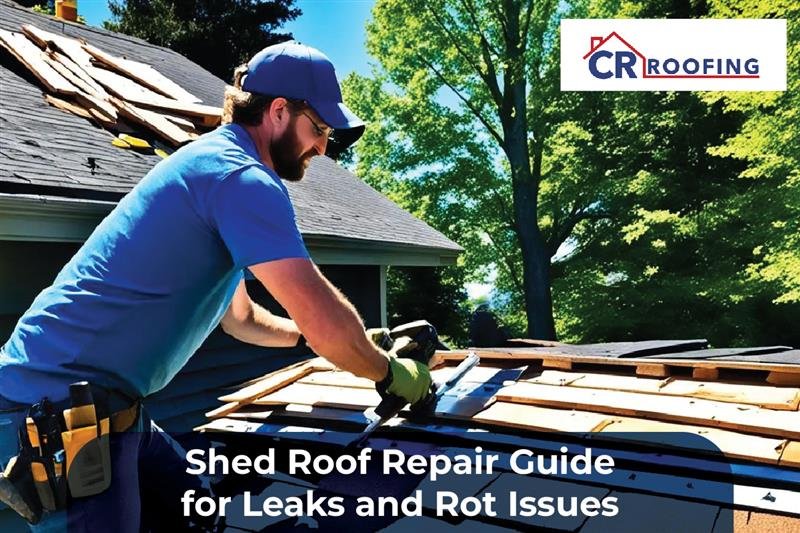
If you own a backyard shed, you already know how important it is to keep the roof in top condition. Age, weather exposure, and wear and tear can cause issues like decay and leaks over time. Fortunately, shed roof repair doesn’t have to be a costly or complicated process. Everything you need to know about spotting problems, selecting fixes, and averting more harm will be covered in this guide.
Common Causes of Shed Roof Damage
Before diving into repair methods, it’s important to understand what typically causes problems with garden shed roofing:
- Aging roofing materials
- Prolonged exposure to rain or snow
- Poor ventilation leading to moisture build-up
- Tree debris, moss, and algae growth
- Improper installation or low-quality materials
These problems may result in insulation failure, structural decay, and leaky shed roofs.
Signs You Need Shed Roof Repair
Watch out for these warning signs:
- Water stains or puddles inside your shed
- Sagging or soft areas on the roof
- Moldy smell or visible mold on the ceiling
- Warped, cracked, or missing shingles
- Daylight shining through roof panels
If you notice any of these, it’s time to consider roofing repairs for sheds before the damage spreads.
Step-by-Step Shed Roof Repair Process
1. Inspection and Assessment
Start by examining the roof thoroughly. Look for any damaged shingles, cracks, or signs of rot, especially at the edges and joints. Use a flashlight to inspect the inside for water stains.
2. Remove Damaged Sections
Carefully remove broken shingles, rotted plywood, or rusted nails. For shed roof patching, cut out the damaged section and prepare it for replacement.
Pro Tip: Wear gloves and safety goggles. Rotted wood can be fragile and sharp.
3. Replace or Patch Roofing Material
Depending on the damage size:
- Use roofing felt or bitumen to cover small leaks.
- For small roof repair, install replacement shingles or panels.
- In severe cases, you may need a roof replacement for your shed, especially if the rot has spread to the structure.
4. Seal and Waterproof
Use roofing sealant or adhesive to close gaps and protect vulnerable areas. Focus on joints, edges, and around vents.
5. Reinforce and Maintain
Reinforce weak spots with flashing or underlayment. Establish a regular shed roof maintenance routine — clean off debris, trim nearby trees, and check after storms. For expert help or routine inspections, C&R Roofing offers reliable shed roofing services to keep your structure in top shape.
Materials for Shed Roofing Repairs
These are typical choices based on your roof type and financial constraints:
- Asphalt shingles are inexpensive and simple to install.
- Metal panels – Durable and long-lasting
- Felt or bitumen sheets – Great for temporary fixes
- EPDM rubber roofing is perfect for roofs on flat sheds.
- Corrugated plastic or polycarbonate – Lightweight and weather-resistant
These choices support both DIY and professional shed roofing services.
Dealing with Rot Issues
If moisture seeps into your roof for long enough, it can rot the timber underneath. Here’s how to handle it:
- Remove all affected wood
- Treat remaining wood with rot-resistant preservative
- Replace with treated lumber or plywood
- Ensure ventilation is improved to prevent future rot
For advanced cases, contacting a professional offering outdoor shed roof damage repair may be the safest choice.
DIY vs. Professional Shed Roofing Services
DIY Is Great When:
- Damage is minimal (small leaks, cracked shingles)
- You have basic tools and time
- You’re comfortable working on ladders and roofs
Hire a Pro When:
- The structure is unsafe or collapsing
- The entire roof needs replacing
- You want warranty-backed work
Local experts can handle everything from fixing shed shingles to complete shed roof replacement jobs.
Preventing Future Shed Roof Issues
To avoid repeated shed roof repairs, take the following preventive steps:
- Clean your roof seasonally
- Clear gutters and downspouts
- Apply sealant every 1–2 years
- Inspect after heavy winds or rain
- Replace aging roofing material before it fails
Frequently Asked Questions (FAQs)
Q1: What’s the best material for repairing a leaking shed roof?
A: Asphalt shingles or EPDM rubber are popular for quick, effective repairs.
Q2: Can I repair my shed roof without replacing the whole thing?
A: Yes, if the damage is localized. Patch repairs or replacing a few shingles may be enough.
Q3: How often should I inspect my shed roof?
A: Twice a year—once in spring and once in fall—is ideal.
Q4: How do I know if the rot is too advanced for DIY repair?
A: If the wood is crumbling or the structure feels unstable, consult a professional immediately.
Q5: Is shed roof repair expensive?
A: Small patch jobs can cost less than $100, but full replacements can range from $500–$1500 depending on material and size.
Conclusion
A well-maintained shed roof is essential for protecting your tools, equipment, and the structure itself. By staying vigilant for early signs of damage—like leaks, missing shingles, or rot—you can act quickly and avoid costly repairs down the road. These are often the signs you need a shed roofing contractor now, especially if the damage appears extensive or beyond a simple fix. Whether you’re tackling a small roof repair yourself or hiring a local pro for full shed roofing services, the key is timely action and regular maintenance.
Remember, your shed is an investment—so don’t let a leaking or rotted roof shorten its life. With the right materials, techniques, and a bit of routine care, shed roof repair can be simple, effective, and long-lasting.